
Emergencies

911
Dial 911 in case of emergency. In an emergency, call 911 immediately for police, fire, or medical assistance — your safety comes first. After contacting emergency services, notify us as soon as it is safe to do so so we can assist with directions, access, or any information responders may need. For non-life‑threatening issues that still require urgent attention (burst pipes, gas smell, no heat in freezing weather), shut off utilities if it’s safe, move to a safe area, and call us.
Wildlife
Bears
Please be aware that this property is situated in a natural environment where wildlife, including bears, insects, and other animals, may be present. By booking your stay, you acknowledge and accept this unique aspect of our location. We encourage all guests to practice bear safety by storing food securely and keeping a safe distance if a bear is spotted. Your comfort and safety are our priorities, so please embrace the beauty of nature while respecting its inhabitants.
Guidelines for Bear Safety:
Black bears are common in the Great Smoky Mountains and are naturally curious, fast learners, and strongly driven by scent. Never feed, approach, or attempt to photograph a bear at close range — maintain at least 50 yards (150 feet). Feeding or intentionally approaching bears is illegal in the park, can lead to fines or arrest, and quickly conditions bears to seek human food, increasing vehicle strikes, aggressive encounters, property damage, and likelihood the bear will be euthanized.
Always bring all food, drinks, snacks, toiletries (toothpaste, sunscreen, deodorant), coolers, and scented items inside the cabin or a locked vehicle — and never leave them visible in cars overnight. Even small items or crumbs attract bears; treat every scented product as food. Use provided bear-proof trash cans for all garbage and recycling. If your rental supplies no bear-resistant containers, double-bag waste, store it inside until pickup, and notify us so we can arrange secure disposal.
When hiking or using outdoor spaces, stay alert, keep dogs leashed or leave them at home, travel in groups when possible, and carry bear spray (know how to use it). If you encounter a bear, back away slowly, speak calmly, and do not run; make yourself look larger if the bear approaches and use bear spray only at close range if a bear behaves aggressively. Report any bears that appear food-conditioned, approach people, or frequent developed areas to park authorities (or call local management) immediately.
Insects
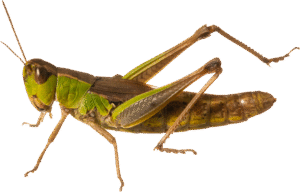
Insects and Wildlife — What to Expect
You’re staying in the Smokies, so please expect insects around the cabin and on outdoor surfaces — they’re part of the natural setting here. Keeping doors and windows closed when not in use is the single best step to reduce indoor visitors; close screens and use the provided door mats to limit accidental entry. We have a regular pest‑control service that treats the cabin, but occasional sightings (especially near lights, eaves, and wooded edges) are normal.
Asian lady beetles
Multicolored Asian lady beetles (often called Asian ladybugs) are common in wooded and rural areas and sometimes cluster on buildings in fall while seeking overwintering sites. They’re generally harmless and even helpful outdoors (they eat aphids), but indoors they can become a nuisance. If you see groups around windows or light fixtures, gently sweep or vacuum them (avoid crushing on light‑colored surfaces) and close nearby doors or windows.
Spiders and spiderwebs
Spiders and their webs are common around eaves, porch corners, and in less‑used rooms — most are harmless and help control other insects. Webs can collect quickly; a quick sweep with the provided broom or a vacuum will remove them. If you encounter a large or unfamiliar spider and are concerned, contact us and we’ll arrange safe removal.
Carpenter bees and other stinging insects
Carpenter bees (large, bumblebee‑like bees that drill small round holes in wood) are active in warm months and may be seen around decks and soffits. They rarely sting unless provoked but can leave small holes in exposed wood over time. Wasps, hornets, and yellow jackets can also be present — avoid disturbing nests and keep food and drinks covered outdoors. If you notice a nest close to guest areas, tell us and we’ll have pest control handle it.
Mosquitoes, ticks, and biting insects
Mosquitoes and ticks are common in forested and grassy areas. Use insect repellent, wear long sleeves and pants during dawn/dusk hikes, check for ticks after outdoor activities, and keep patio lights off to reduce night‑attracted insects.
If an insect enters the cabin, the easiest approach is to gently capture and release it outside or use the vacuum; do not attempt to handle aggressive or unknown insects. We treat the property regularly, but please let us know about recurring or large infestations so we can address them promptly.
Home Safety

Escape Ladders
We have an approved portable window escape ladder in every bedroom to meet county fire safety requirements — it hangs from the window sill and unfolds down the exterior for use if your normal exit is blocked by smoke or fire. Only use the ladder if other exits are inaccessible; follow the manufacturer’s instructions on the label (check weight limits and that the ladder reaches the ground), hook the ladder securely on the sill so the top rung clears the window frame, and descend one person at a time facing the ladder and holding the rungs (children should be assisted by an adult). Practice identifying the window and where the ladder is stored when you arrive, keep the area below clear, and do not use the ladder from floors higher than the ladder’s rated length — if you’re unsure, treat the window as a non‑viable exit and wait for emergency services. If you notice any damage, missing parts, or the ladder has been moved, notify us immediately so we can replace or re‑secure it.
General Home Safety
General Home Safety
Keep stairways clear and well‑lit: remove shoes, bags, and clutter from stairs and landings to prevent trips and falls. Use handrails when going up or down, supervise young children on stairs, and avoid carrying heavy or awkward loads that block your view. If you notice a loose tread, squeak, or loose handrail, tell us so we can repair it.
Never leave the oven, stove, or space heaters unattended while in use. Assume burners and oven surfaces are hot — use pot holders, turn pot handles inward, and double‑check that all controls are switched off after cooking. Keep flammable items (paper towels, dishcloths, aerosol cans) away from heat sources and store propane or charcoal safely outside; do not use indoor appliances outdoors or vice versa.
Smoke and carbon monoxide detectors are installed for your safety — do not tamper with, disable, or remove them. If an alarm sounds, follow posted evacuation instructions immediately and call 911 if needed. Notify us promptly if a detector beeps intermittently so we can replace batteries or the unit.
Decks and railings are for enjoying the view, not for climbing or leaning over: do not sit, stand, or place heavy items on railings. Keep children supervised on decks and balconies, and avoid oversized gatherings that exceed the cabin’s occupancy limits. If you spot any loose boards, rusted fasteners, or instability in railings, report it right away.
Use the provided flashlight and emergency kit in case of power outage; avoid candle use. Keep doors and exits accessible at all times; in the event of smoke, stay low, cover your nose and mouth, and exit quickly. Finally, practice common‑sense precautions — lock doors and windows when you leave, secure valuables, and let us know about any safety concerns so we can address them promptly.
Gas Fireplaces — Safety & Use
Our gas fireplaces are for your comfort but must be used safely: only operate the fireplace using the wall switch and never attempt to light the pilot or service the unit yourself. Keep the glass front and surrounding hearth area clear of flammable items (blankets, paper, decorations) and do not place toys or seating directly in front of the glass. Supervise children and pets around the fireplace — the glass and nearby surfaces can become very hot even after the flame is off. If you smell gas, turn off the fireplace (if safe), leave the cabin immediately, avoid using electrical switches or phones inside, and call 911 and the gas company from a safe location. Regular maintenance and inspections are performed; please report any unusual odors, soot, pilot light issues, or frequent cycling so we can arrange service.
Last Bit
Report hazards: Promptly report loose tiles, exposed nails, mold, persistent water leaks, or any condition that could cause injury.
Electrical safety: Don’t overload outlets or run extension cords under rugs; unplug chargers when not in use and report any flickering lights or tripped breakers.
Medication and hazardous items: Lock up or keep out of sight any medications, chemicals, or sharp tools.
Night lighting: Use nightlights or exterior pathway lights to reduce fall risk after dark.
Weather preparedness: Know the nearest shelter route for severe weather; during winter, keep walkways clear of ice and report hazardous conditions.
Fire extinguisher locations!