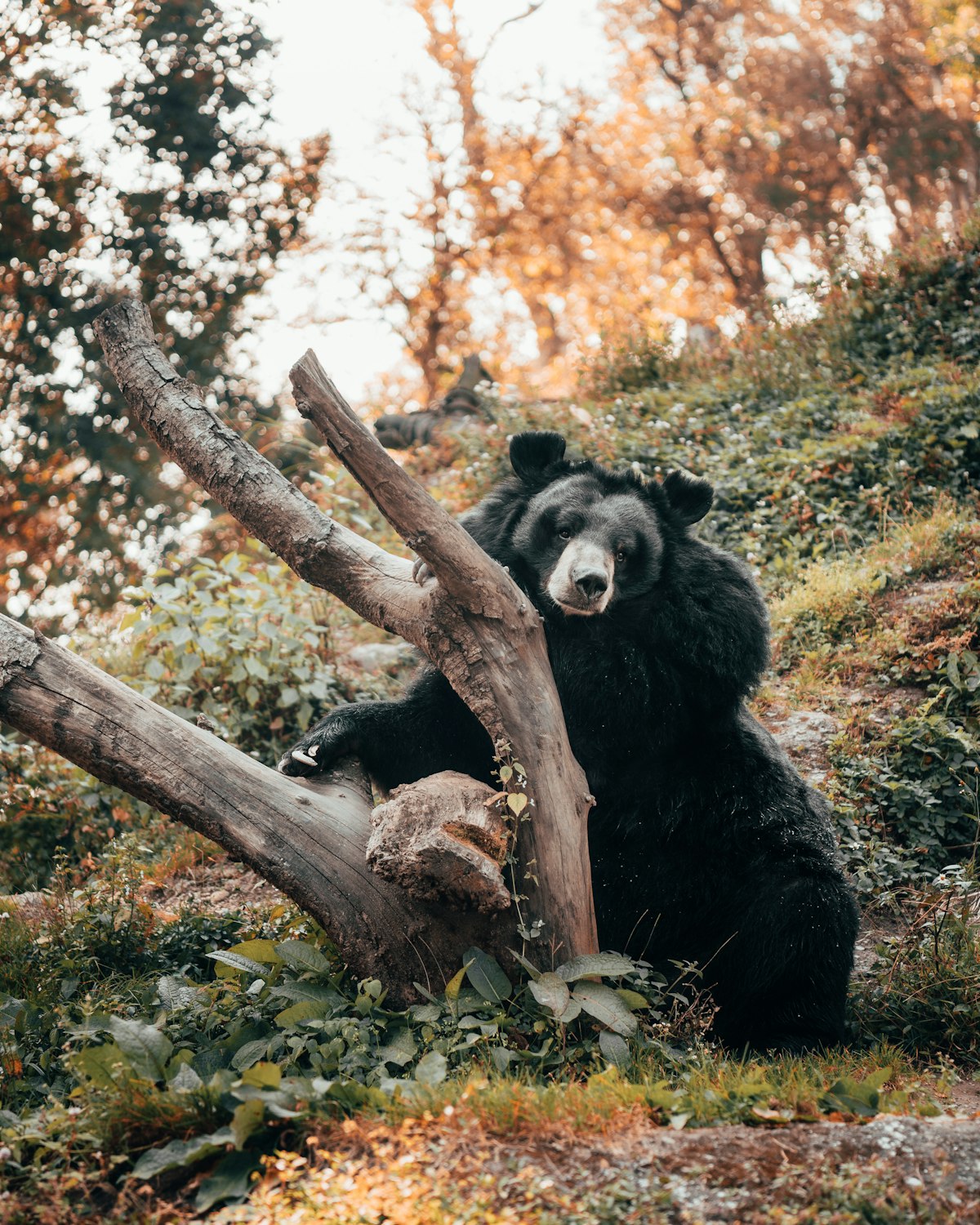
You're staying in genuine black bear country — and that's part of the magic of the Smokies. Spotting wildlife from the deck is a real thrill, and a few simple habits keep it that way for everyone, you and the animals alike.
Bears & food safety
Bears are curious, smart, and have an incredible sense of smell. The single most important thing you can do is never give them a reason to come close:
- Always use the provided bear-proof trash cages, and secure all refuse immediately after use.
- Never leave food, coolers, pet food, or scented items on the decks, porches, or in your vehicle — bears and raccoons will investigate fast.
- Lock your car doors and stow groceries and trash in the trunk or inside the house until you can get them into the bear-proof container.
- Remember: even sealed containers and coolers can attract animals if left outside.
If you meet a bear
- Keep your distance — at least 50 yards (150 ft). Never approach, feed, or try to photograph a bear up close.
- If a bear notices you, back away slowly, speak calmly, and do not run.
- If it comes toward you, make yourself look bigger; use bear spray only at close range and only if it's behaving aggressively.
- Out hiking? Travel in groups, keep dogs leashed (or leave them home), stay alert, and carry bear spray if you have it.
Raccoons, opossums & flying squirrels
Raccoons, opossums, and other small mammals are common too, and they're experts at raiding unsecured trash or food. They can be bold around the cabin but are best left undisturbed — please don't try to handle or feed them. You may also hear or see flying squirrels and other nocturnal critters at night; they're generally harmless, and just one more reason to keep doors and windows closed or screened when not in use.
Secure the trash, store food properly, and keep a respectful distance: those few habits dramatically cut down on unwanted visits and help protect both your family and the animals that call this mountain home.